Key Takeaways
- Replace or clean your furnace filter every 1 to 3 months to maintain proper airflow and help your system run efficiently.
- Program your thermostat to 68°F in the winter when you’re home and awake, then lower the temperature while you’re asleep or away to help reduce heating costs.
- Seal air leaks around windows, doors, and other openings where warm air can escape.
- Schedule a furnace tune-up before winter so your system is clean, operating safely, and ready for the heating season.
Winter home energy-saving tips can help you stay comfortable, keep heating costs under control, and avoid common furnace problems before colder weather sets in. A few simple maintenance tasks now can help your furnace perform its best when winter temperatures settle in.
At Just Right Plumbing, Heating, & Cooling, we’ve helped homeowners care for their heating and plumbing systems the old-fashioned way since 1977. In this guide, we’ll share practical ways to improve your home’s energy efficiency, prepare your furnace for winter, and help prevent common cold-weather problems before they interrupt your comfort.
Why Salt Lake City Winters Demand More from Your Furnace
Cold temperatures naturally make your furnace work harder, and the Wasatch Front is no exception. Longer run times leave less room for small problems like dirty filters or air leaks. Those issues may go unnoticed during milder weather but become much more noticeable when your furnace is running day after day.
How Salt Lake City’s Elevation and Inversions Affect Heating Load
Salt Lake City sits at a higher elevation than many parts of the country, and winter inversion conditions can keep cold air trapped near the valley floor for days at a time. Without much daytime warming, furnaces often cycle more frequently to maintain a consistent indoor temperature.
Those longer heating cycles place additional wear on filters, burners, and other furnace components. Staying ahead of routine maintenance helps your system handle those demands more efficiently throughout the season.
What This Means for Your Monthly Heating Bill
The longer your furnace runs, the more energy it uses. If your home also has air leaks, dirty filters, or an inefficient thermostat schedule, heating costs can climb even faster during the coldest months.
The good news is that you don’t need major upgrades to make a difference. A handful of routine maintenance tasks can go a long way toward reducing unnecessary energy use while still keeping your home feeling comfortable.
Furnace Preparation Checklist Before Winter Hits
Preparing your furnace before winter helps it handle the heating season and gives you a better chance of catching small issues before they turn into bigger repairs. Start with these maintenance tasks to keep your heating system ready for the colder months:
Replace or Clean Your Furnace Filter (Every 1–3 Months)
A dirty furnace filter restricts airflow, forcing your system to work harder and reducing efficiency over time. Most filters are located inside the furnace cabinet or behind the main return air vent. For many homes, a MERV 8 to 11 filter provides the right balance of airflow and filtration.
During the winter months, check your filter monthly instead of waiting the full three months, especially when air quality declines. Routine furnace maintenance also includes inspecting the filter and making sure the rest of your heating system is operating properly.
Schedule a Professional Furnace Tune-Up Before November
Even if your furnace seems to be working normally, a seasonal tune-up can catch worn components before they turn into bigger problems. A licensed technician will inspect the heat exchanger, burners, igniter, and flue to make sure your system is running smoothly, reducing the risk of unexpected breakdowns during Salt Lake City’s coldest weather.
Inspect and Test Your Thermostat Settings
Your thermostat has a direct impact on both comfort and energy use. The U.S. Department of Energy recommends setting it to 68°F while you’re home and awake, then lowering the temperature when you’re away to help reduce heating costs.
Air Sealing and Insulation — Where Salt Lake Homes Lose the Most Heat
A well-maintained furnace can only do so much if your home is losing heat through gaps around windows, doors, and other openings. If you’re looking for ways to save energy at home in winter, start by sealing the places where warm air escapes. Sealing air leaks and improving insulation is one of the most effective ways to improve home energy efficiency while helping your heating system maintain more consistent indoor temperatures.
Seal Windows and Doors First
Windows and exterior doors are some of the most common sources of heat loss. Installing weatherstripping around moving parts and adding door sweeps to exterior doors can reduce drafts without requiring a major home improvement project.
One simple way to check for air leaks is the candle test. Hold a lit candle near window and door frames on a windy day. If the flame flickers, outside air is likely finding its way inside. Start by sealing the areas that experience the strongest drafts, particularly around older windows and exterior doors.
Attic and Basement — The Two Hidden Heat Escape Routes
Even a well-maintained furnace can struggle if warm air escapes through your attic or basement. Older homes are especially prone to heat loss in these areas, making insulation and air sealing an important part of improving winter efficiency.
Start by checking that your attic hatch is insulated and look for visible gaps around the rim joists in your basement. If your attic insulation appears thin or uneven, adding insulation can make a noticeable difference in comfort and energy use.
Pipe Penetrations and Utility Chases — Preventing Frozen Pipes Too
Small gaps around plumbing and utility lines allow cold air into your home while increasing the risk of frozen pipes. Sealing these openings with the appropriate fire-rated caulk or foam helps reduce drafts and protects vulnerable plumbing.
When temperatures drop well below freezing, let faucets connected to exterior walls drip slowly overnight, and open cabinet doors so warmer air can circulate around the pipes.
Following a few frozen pipe prevention steps before temperatures drop can help reduce the risk of winter plumbing problems. If a pipe does freeze and burst, prompt water leak repairs can help limit damage and restore your plumbing system.
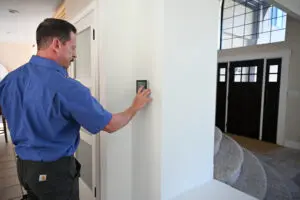
Thermostat Strategy and Smart Home Settings for Winter Savings
One of the simplest winter HVAC tips is adjusting your thermostat settings. Small changes can have a noticeable impact on your home’s energy use without sacrificing comfort.
- Follow a Consistent Temperature Schedule: The U.S. Department of Energy recommends setting your thermostat to 68°F when you’re home and awake, then lowering it while you’re away. Following a regular schedule helps reduce heating costs without sacrificing comfort.
- Use Smart Thermostat Features: Features like geofencing, occupancy sensing, and freeze protection automatically adjust temperatures based on your routine. If you have heat pumps, avoid large temperature setbacks, as they can trigger supplemental electric heat and reduce efficiency.
- Avoid Turning the Thermostat Up Too High: Setting the thermostat to 80°F won’t heat your home faster. Furnaces deliver heat at a steady rate, so raising the temperature higher than needed typically wastes energy and can leave your home uncomfortably warm.
Common Winter Energy-Saving Mistakes Salt Lake City Homeowners Make
Some of the best home heating tips involve avoiding common mistakes that make your furnace work harder than necessary. These habits are easy to overlook but can have a noticeable impact on comfort and energy use.
- Skipping Annual Furnace Maintenance: A yearly tune-up helps identify worn components, improve efficiency, and catch small issues before they become larger repairs.
- Closing Supply Vents in Unused Rooms: Closing vents doesn’t reduce your furnace’s workload. Instead, it can disrupt airflow and put additional strain on your heating system.
- Leaving Exhaust Fans Running Too Long: Bathroom and kitchen exhaust fans remove warm indoor air along with moisture and odors. Turn them off once they’ve done their job to avoid unnecessary heat loss.
- Ignoring Your Water Heater: Sediment buildup forces your water heater to work harder and use more energy. Flushing the tank according to the manufacturer’s recommendations helps maintain efficiency.
- Assuming a New Furnace Doesn’t Need Maintenance: Even newer systems benefit from routine inspections to maintain efficiency, identify developing issues, and help extend equipment life.
FAQs
How do I prepare my furnace for winter in Salt Lake City?
Start with the basics: replace or clean your furnace filter, schedule a tune-up before the heating season, check your thermostat settings, and make sure your carbon monoxide detector is working properly. A little preparation before temperatures drop can help your furnace handle another Salt Lake City winter with fewer surprises.
What temperature should I set my thermostat in winter to save money?
A good starting point is 68°F when you’re home, then lowering the temperature before you go to sleep. If you come home to a chilly house, avoid turning the thermostat way up. Your furnace heats at the same pace either way, so you’re better off setting it to your desired temperature and letting it do its job.
How do I prevent pipes from freezing in winter?
Keep your home warm enough when you’re away, seal gaps where cold air can reach your plumbing, and let faucets connected to exterior walls drip slowly when temperatures drop below freezing. Opening cabinet doors under sinks on exterior walls also helps warmer air circulate around vulnerable pipes.
How much can I save on heating costs with a furnace tune-up?
Every home is different, but regular furnace maintenance helps your system avoid working harder than it needs to. Even replacing a dirty filter can improve airflow and efficiency, helping your furnace use less energy throughout the heating season.
Is it worth getting a smart thermostat for a Salt Lake City home?
For many homeowners, yes. A smart thermostat can automatically adjust temperatures while you’re away, making it easier to save energy without constantly changing the settings yourself. If your current thermostat is older or isn’t programmable, upgrading can be a simple way to improve winter efficiency.
Contact Just Right for HVAC & Plumbing Maintenance Before Winter Arrives in Salt Lake City
Winter in Salt Lake City has a way of exposing small heating problems when you least expect them. Taking care of your system before temperatures drop can help you stay comfortable when it matters most.
If you’re ready to put these winter home energy-saving tips into action or need HVAC maintenance in winter, Just Right Plumbing, Heating & Cooling is here to help. Our team is committed to doing HVAC the old-fashioned way with dependable service and honest recommendations.
Schedule your appointment today and keep your home cozy this winter.