
Your Go-To Plumber for Reverse Osmosis Water Systems
If you’re looking for a trusted plumber to install a reverse osmosis system, count on the team at Just Right to get the job done right the first time. For over 45 years, we’ve helped homeowners in Salt Lake City and across Utah enjoy safer drinking water in their homes.
From system repairs to full replacements, we service all major brands and models using advanced tools and industry-leading installation techniques. With honesty, integrity, and professionalism, we help you achieve clean, consistent water and peace of mind.
Understanding Reverse Osmosis Systems
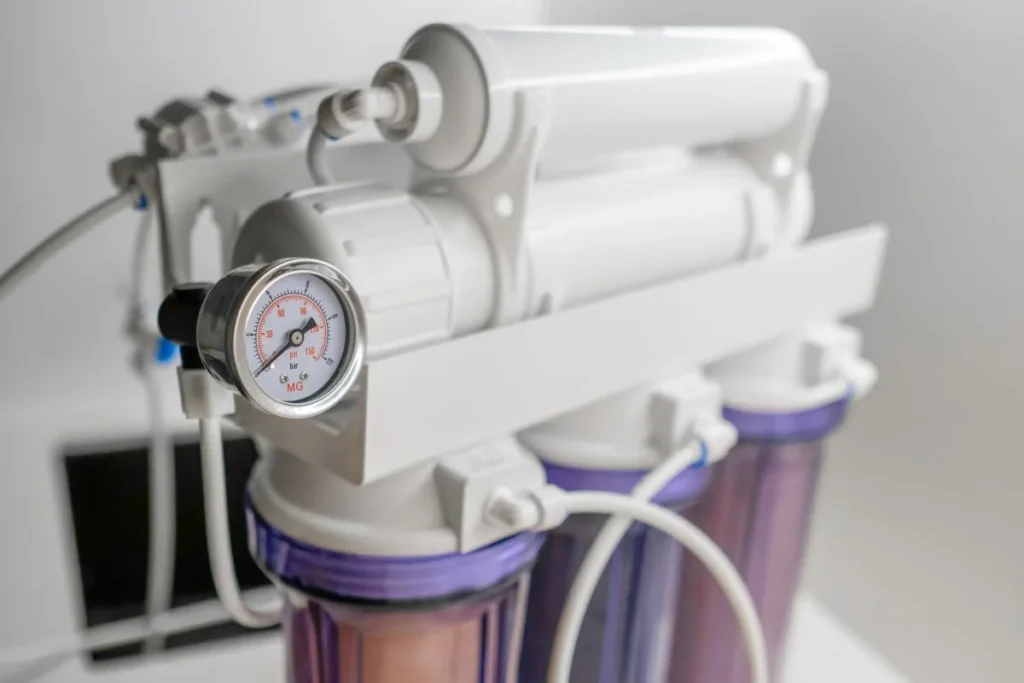
A reverse osmosis system is a water filtration solution designed to remove unwanted contaminants from your water. It works by pushing water through multiple filters and a semi-permeable membrane that blocks impurities while allowing clean water to pass through.
These systems are typically installed at a single fixture, such as a kitchen sink, to provide filtered water right where you need it. Unlike basic filters, reverse osmosis uses a multi-stage process to improve water quality, taste, and clarity.
Many homeowners in Salt Lake City choose reverse osmosis installation for consistent, reliable water for drinking, cooking, and everyday use.
Common Contaminants a Reverse Osmosis System Can Remove
A reverse osmosis system installation can help remove a wide range of contaminants, including:
- Heavy Metals (Lead and Arsenic)
- Chlorine
- Fluoride
- Dissolved Salts and
- Minerals
- Bacteria and Viruses
- Sediment and Microscopic Particles
Water Quality Issues Threatening Salt Lake City Homeowners
Water quality is a common concern for homeowners in Salt Lake City. A large portion of the area’s tap water supply comes from the Wasatch Mountain Range watershed, which contains a range of potential contaminants that can cause unpleasant tastes or pose health risks.
Common water quality issues include:
- Microbial Contaminants: Microorganisms can affect water safety and quality.
- Pesticides or Herbicides: These can enter water sources through environmental runoff.
- Discoloration or Tannins: Water may appear yellow or brown due to organic material.
- Disinfection Byproducts (DBPs): Formed during water treatment, these can affect taste and odor.
- Nitrates: Often linked to agricultural activity and may be present in water supplies.
- Chemical Contaminants: Various substances can impact water quality and usability.
If you’re experiencing any of these issues, our expert plumbers are here to help. Our professional reverse osmosis system installation addresses many of these common risks and restores clean, healthy water to your home.
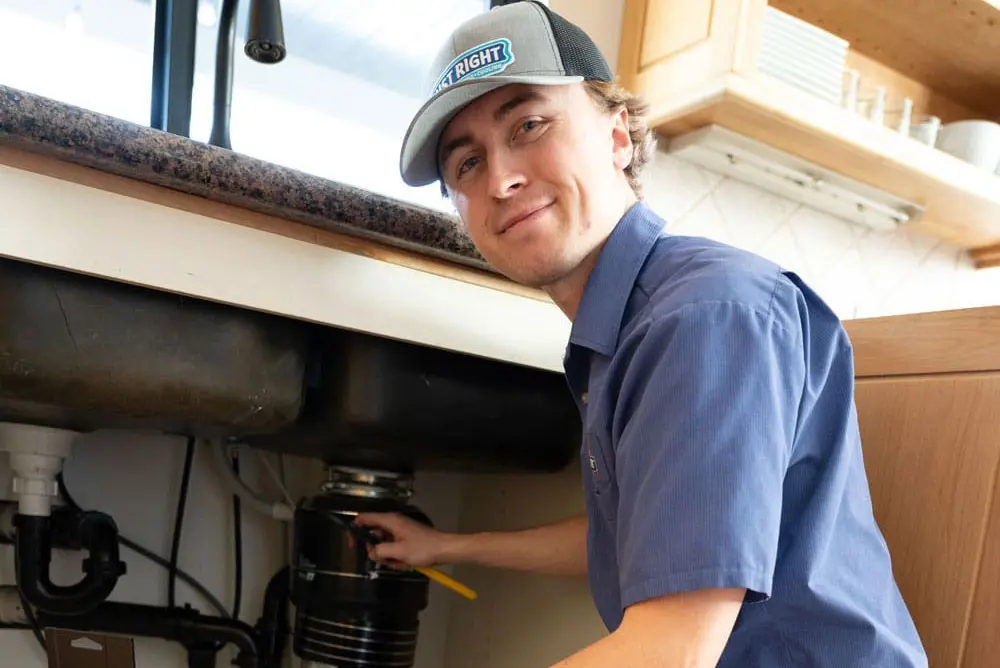
The Importance of Professional Installation for Your Reverse Osmosis System
Installing a reverse osmosis system may seem simple, but proper setup is key to safe, reliable performance. Professional installation ensures everything is configured correctly from the start.
At Just Right, we use expert workmanship, specialized tools, and proven methods to install your system. We assess your water quality to recommend the right system size and placement, and we make precise plumbing connections to help prevent leaks, low pressure, and poor filtration.
With our professional reverse osmosis water filtration installation, you get consistent, high-quality drinking water and fewer issues over time.
What Makes Just Right Different?
Certified & Trustworthy
Our licensed plumbers and sewer technicians can handle any plumbing service you need.
Reliable
You'll get a heads-up when your plumber is on their way for your scheduled time. They'll walk you through any work to be completed and any questions you have.
Advanced Techniques
We offer a variety of smart and eco-friendly plumbing solutions.
Efficient
With our online scheduling tool, we can get you the help you need when you need it.
Frequently Asked Questions About Reverse Osmosis Filtration
How often should I replace my filter?
Most reverse osmosis systems require regular filter replacements every 6 to 12 months and membrane replacement every 2 to 3 years. The exact timing depends on your water quality and how much water your household uses.
How much maintenance is required for a reverse osmosis system?
Routine maintenance helps ensure reliable performance and consistent, clean water. It typically includes replacing filters every 6 to 12 months, checking for leaks or wear, and periodically sanitizing the system. Our licensed plumbers can help with any of your maintenance needs.
Do reverse osmosis systems need electricity?
Most standard reverse osmosis systems rely on water pressure to conduct the filtration process and do not require electricity. Some advanced systems may include additional features that use power, but many residential systems operate without it.
Can I install a reverse osmosis system if I already have a water softener?
Yes, reverse osmosis systems can be installed alongside a water softener, and they often work well together. A water softener reduces hardness minerals, while a reverse osmosis system removes smaller contaminants, both improving overall water quality.
Do reverse osmosis systems waste water?
Reverse osmosis systems produce some wastewater during the filtration process. However, modern systems are designed to be more efficient, helping to reduce water waste while still providing effective filtration.