

Your Go-To Company for French Drains
Water collecting near your home is rarely harmless. Saturated soil can press against your foundation, seep into your basement, and lead to costly structural concerns. Many homeowners first notice damp walls, musty odors, or persistent yard drainage issues without realizing the underlying cause.
Just Right Plumbing, Heating, & Cooling has served north central Utah families for over 45 years. We approach drainage the old-fashioned way with thorough evaluations, clear recommendations, and dependable workmanship. If your property needs French drain installation services, we design the system around your home’s layout and water flow patterns so the solution fits properly.
You can expect straightforward guidance, clean installation, and clear cost estimates for installation services from a team focused on protecting your home long term.

What Are French Drains?
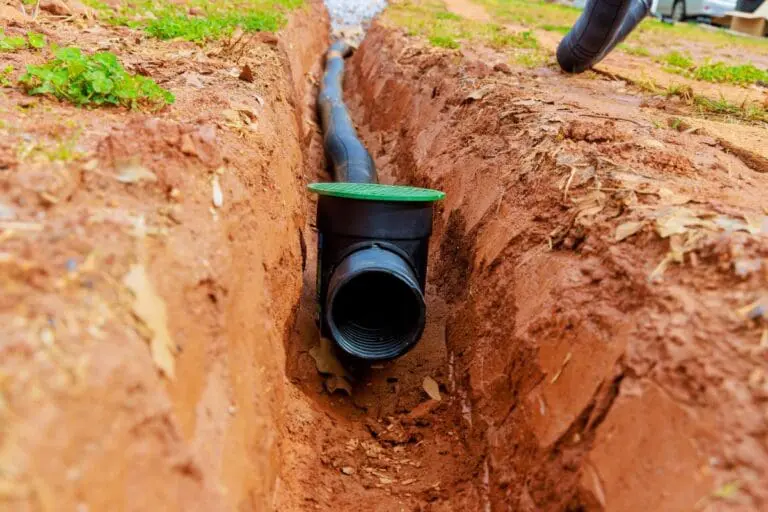
A French drain is an underground drainage system designed to move excess water away from your home. It typically includes a perforated pipe placed in a gravel-filled trench and wrapped in protective fabric to help prevent clogging. Once installed, the system collects groundwater and surface runoff and directs it safely away from your foundation.
Because it works below the surface, a French drain manages water before it becomes a visible issue in your yard or basement. When grading alone does not correct drainage concerns, professionals often recommend a French drain. When installed correctly, the pipe system allows water to flow away from your home instead of collecting near the foundation, where it can cause damage.
How French Drains Work
Water will always find a place to go. When the soil around your home becomes saturated, that moisture can collect near the foundation and begin seeping inward. A properly installed French drain gives water a controlled path away from your home before it causes damage.
The system uses a perforated pipe set in gravel to collect and redirect excess water to a safe drainage area. When installed with the correct slope and materials, it helps reduce pressure around your foundation and lowers the risk of leaks or dampness.
Benefits of Installing a French Drain Outside of Your Home
Drainage issues rarely resolve on their own. A properly installed French drain helps control water at the source and protects your home from long-term damage.
Prevents Standing Water
Water that lingers in your yard can create muddy areas and increase moisture around your foundation. A French drain collects that excess water below the surface and moves it away, helping your yard dry out faster and reducing the risk of pooling near your home.
Erosion Control
Consistent water flow can wash away soil and affect the grading around your property. A French drain directs water through a controlled underground path, helping protect your landscaping and keep the ground around your foundation stable.
Reduces Hydrostatic Pressure
When soil becomes too wet, it can exert pressure on your foundation walls. Over time, that pressure may lead to cracks or leaks. A French drain provides a safe place for water to go, helping ease the stress on your home.
Minimizes Risk Of Mold & Flooding
Excess moisture near your foundation can create damp conditions in basements or crawl spaces. Redirecting water away from your home helps lower the chance of mold growth and unwanted water inside.
Our French Drain Installation Process
Installing a French drain requires careful planning and precise placement. Our team focuses on doing the job correctly from the start so your system performs reliably for years to come.
- Site Evaluation
We begin by assessing your drainage concerns, property layout, and water flow patterns. This helps determine the best location and depth for the system. - Excavation & Trenching
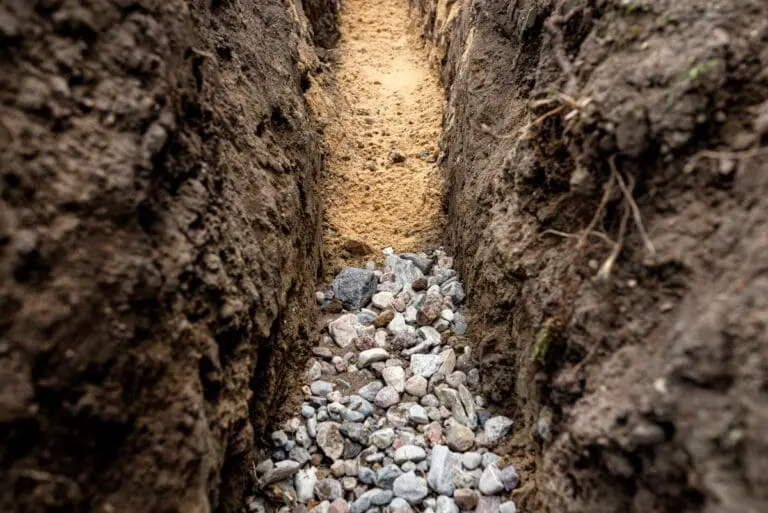
We carefully dig a trench along the planned drainage path. Proper depth and grading are essential to ensure water flows away from your home. - Pipe & Gravel Placement
Our team installs a perforated pipe inside the trench and surrounds it with gravel to allow water to filter in easily while supporting steady drainage. - Water Diversion Setup
The system is connected to a designated discharge area that carries water safely away from your foundation and surrounding structures. - Backfill & Restoration
Once everything is properly positioned, we cover the trench and then restore the area as cleanly and neatly as possible.
Every French drain pipe installation is handled with attention to detail and long-term performance in mind. The performance of your drainage system depends on careful planning and precise execution. Working with experienced French drain installation contractors helps ensure the system functions reliably for years to come.
Warning Signs Your Home Might Need a French Drain
Water issues often show subtle signs before turning into larger problems. Paying attention to early warning indicators can help you address drainage concerns before structural damage occurs.
Water Pooling In Your Yard
If areas of your yard stay wet long after rain or irrigation, drainage may be inadequate. Ongoing pooling can soften the soil, affect landscaping, and allow moisture to collect near your foundation. Addressing the issue early helps prevent water from moving closer to your home.
Basement Or Garage Flooding
Recurring damp spots, musty odors, or minor flooding in your basement or garage can signal groundwater collecting around the foundation. Even small amounts of moisture suggest water is not draining properly. Resolving the drainage problem early can help prevent more significant interior damage.
Overflowing Downspouts
When downspouts discharge water too close to your home, the soil can become saturated, adding further stress to your foundation. Routing that runoff through a drainage system moves water away and helps protect your home.
Slow Drainage From Sinks & Toilets Connected To Outdoor Drainage
If plumbing fixtures connected to exterior drainage lines drain slowly, poor exterior drainage could be restricting water flow away from your property. In some cases, improved exterior drainage can help reduce strain on connected systems.
French Drains FAQs
How Deep Should A French Drain Be?
The right depth depends on your yard and the type of drainage problem you are dealing with. In most cases, the drain sits deep enough to collect groundwater near the foundation while still allowing proper slope for water flow. During your evaluation, we determine the depth that makes the most sense for your property so the system works effectively from day one.
How Much Maintenance Is Required For A French Drain?
A properly installed French drain doesn’t need much upkeep. The gravel and fabric around the pipe help keep debris out of the system. It is still a good idea to check discharge areas occasionally to make sure water flows freely. If you notice new pooling or slow drainage, we can inspect the system and confirm everything is working as it should.
How Long Does A French Drain Last?
When installed correctly with quality materials, a French drain can last you decades. Longevity often comes down to proper planning, correct slope, and careful installation. That is why working with experienced professionals helps ensure your system performs reliably for the long term.
Treating surface symptoms without identifying the root cause can lead to repeated plumbing problems.
What Makes Just Right Different?
Certified & Trustworthy
Our licensed plumbers and sewer technicians can handle any plumbing service you need.
Reliable
You'll get a heads-up when your plumber is on their way for your scheduled time. They'll walk you through any work to be completed and any questions you have.
Advanced Techniques
We offer a variety of smart and eco-friendly plumbing solutions.
Efficient
With our online scheduling tool, we can get you the help you need when you need it.