Knowing how to improve indoor air quality is especially important during Utah winters. Closed windows and increased heating use can let dust, chemicals, and other pollutants build up indoors. However, simple steps like changing furnace filters, controlling humidity, and monitoring indoor air conditions make a difference.
At Just Right Plumbing, Heating, & Cooling, we’ve served Utah homeowners since 1977 with professional heating, cooling, and filtration services. Here’s how to improve indoor air quality this winter season.
Why Utah Winters Make Indoor Air Quality Worse
Indoor air quality often worsens in winter, when forced-air heating systems continuously recirculate indoor air. Without enough fresh air, dust, cooking fumes, cleaning chemicals, and other pollutants can build up in your home.
Utah’s winter temperature inversions also make the problem worse. During an inversion, warmer air traps cold air and pollution near the ground. Fine particles enter homes through small gaps and ventilation systems, decreasing air quality and even causing respiratory problems.
How to Test Indoor Air Quality in Your Home
Wondering how to test indoor air quality? Here are a few different testing methods depending on your needs:
1. Use an indoor air quality monitor: Home monitors track conditions such as fine particles, carbon dioxide (CO₂), humidity, or volatile organic compounds (VOCs), depending on the device. Check which pollutants your monitor measures and follow its instructions. Not all monitors provide equally accurate readings or detect every pollutant.
2. Try a DIY test kit: Specialized test kits identify concerns that standard monitors might miss. For example, radon test kits measure this naturally occurring radioactive gas, which enters homes through openings in the foundation. Follow the kit’s instructions carefully, as testing methods and processing times vary.
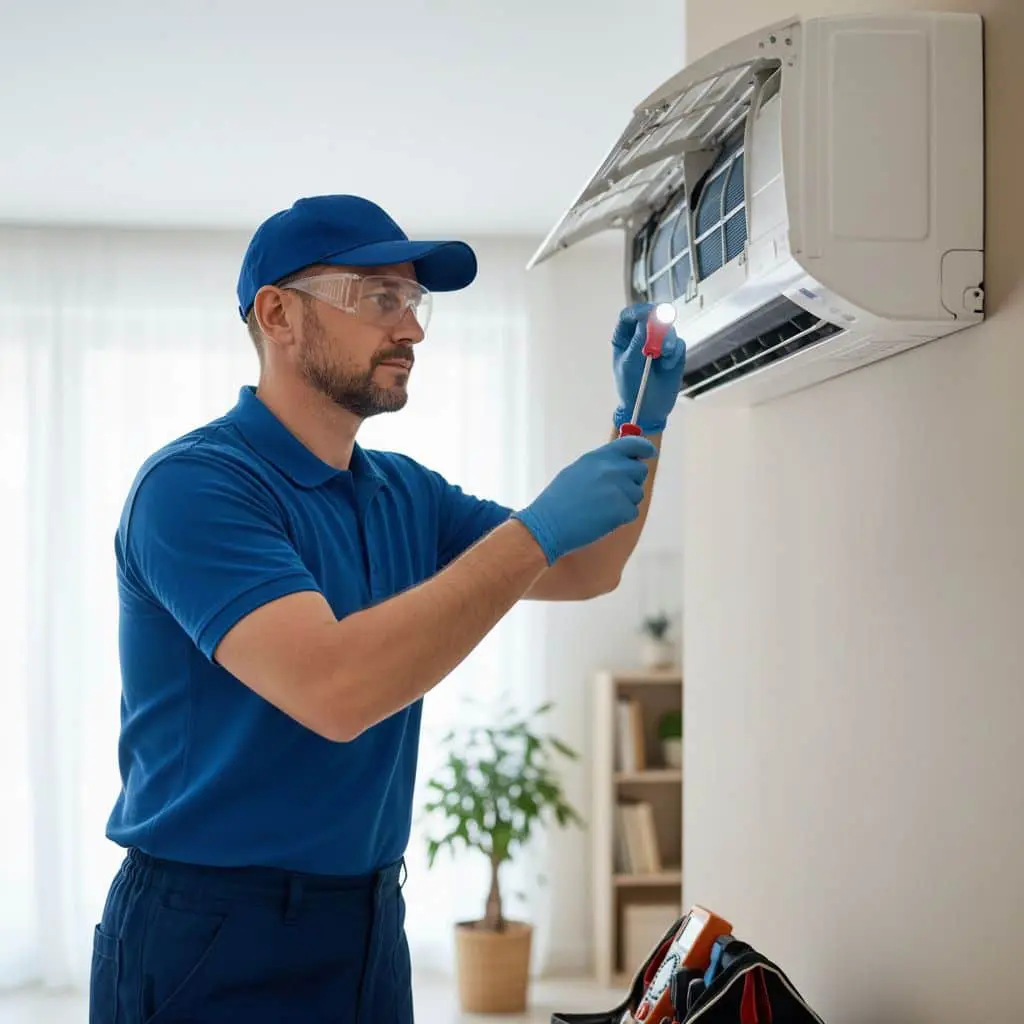
3. Request a professional HVAC assessment: An HVAC technician evaluates your heating system, filtration, airflow, ventilation, and humidity control. This assessment identifies equipment-related concerns but does not replace specialized mold, radon, or laboratory testing.
Steps to Improve Indoor Air Quality at Home This Winter
If you’re concerned about your home’s air quality during the colder months, you don’t have to open the windows. Here’s how to improve indoor air quality in winter:
Change or Upgrade Your Furnace Filter
Your furnace filter traps dust and other particles as air moves through your heating system. Filters have Minimum Efficiency Reporting Value (MERV) ratings that show how well they capture airborne particles.
For homeowners dealing with persistent dust, allergens, or pollution from winter inversions, whole-home air filtration systems offer another way to improve indoor air quality. These systems work with your HVAC equipment to capture airborne particles throughout your home.
Higher MERV ratings generally mean better filtration. However, not every HVAC system supports high-efficiency filters. The EPA recommends MERV-13 filters or the highest-rated filter your system supports.
Regular furnace maintenance keeps your heating system running properly and helps identify potential airflow issues.
Control Indoor Humidity Levels
Utah’s dry winter air often leads to dry skin, irritated noses, and scratchy throats. Adding moisture to your indoor air improves comfort, but too much moisture creates other problems. The EPA recommends keeping indoor humidity between 30% and 50% to reduce the risk of mold growth.
If you’re looking for better humidity control, consider these options:
- Whole-home humidifiers: Work with your HVAC system to control humidity throughout your house. Professional whole-home humidifier installation helps maintain balanced moisture levels during Utah’s dry winters.
- Portable humidifiers: Add moisture to individual rooms but need regular cleaning and refilling.
- Humidity meters: Measure indoor moisture levels so you know when to adjust your humidifier.
Improve Ventilation Without Losing Heat
Fresh air reduces indoor pollution, but opening windows during a Utah winter isn’t always the best choice. Cold outdoor air lowers indoor temperatures, while winter inversions bring additional pollutants inside. Check outdoor air quality before opening your windows.
Heat recovery ventilators (HRVs) and energy recovery ventilators (ERVs) are another option. These systems bring fresh outdoor air inside while removing stale indoor air. They also recover some heat, reducing energy loss.
Proper installation, filtration, and maintenance keep these systems working effectively.
Low-Cost and Natural Improvements
If you’re wondering how to improve indoor air quality naturally, start with simple household habits.
- Vacuum regularly: Use a vacuum with a HEPA filter to remove dust, pet dander, and other particles. Clean carpets, rugs, and furniture at least once a week.
- Remove shoes at the door: Shoes bring dirt, road salt, and outdoor pollutants into your home. Keep a doormat near entrances and leave shoes by the door.
- Limit scented products: Air fresheners, scented candles, and aerosol sprays release chemicals into your indoor air. Choose fragrance-free cleaning products and address bad odors at their source.
- Dust with a damp cloth: Use a damp microfiber cloth to remove dust from furniture and other surfaces without spreading it into the air.
Houseplants add greenery to your home, but they don’t remove enough pollutants to replace proper filtration or ventilation. Focus on regular cleaning, reducing chemical products, and maintaining your HVAC system.

Common Mistakes That Make Indoor Air Quality Worse
Some everyday habits can worsen winter indoor air quality, even when you clean and maintain your HVAC system. Avoid these common mistakes:
- Forgetting to change furnace filters: Dirty filters restrict airflow and reduce effective filtration. Check your filter regularly, especially when you use your heating system more often.
- Adding too much humidity: Excess moisture increases the risk of mold growth. Use a humidity meter to keep indoor humidity between 30% and 50%.
- Covering odors with air fresheners: Scented sprays and plug-ins add chemicals to your indoor air. Find and fix the source of bad smells instead.
- Assuming closed windows mean clean air: Cooking, cleaning products, furniture, and fuel-burning appliances also release indoor pollutants.
- Ignoring furnace and duct problems: Leaky ducts, poor airflow, and heavy dust buildup affect your home’s comfort and air quality.
- Opening windows during poor air quality: Utah’s winter inversions trap pollution near the ground. Check outdoor air quality before opening your windows.
When to Call a Professional for Indoor Air Quality Help
Knowing how to improve indoor air quality supports home comfort. While you can handle minor issues on your own, you should contact a qualified professional if you notice:
- Your carbon monoxide detector sounds: Leave your home immediately and call 911 from a safe location. Do not return until emergency responders say it’s safe.
- Musty odors won’t go away: Ongoing odors often point to moisture, mold, or HVAC problems. A professional inspection can identify the cause.
- You feel worse indoors: Coughing, throat irritation, or allergy symptoms might be linked to indoor air quality. Talk to a healthcare professional about ongoing symptoms.
- You notice poor airflow or excess dust: Weak airflow, uneven temperatures, and frequent dust buildup might point to dirty filters, duct leaks, or HVAC problems.
If you’re facing any of these air quality concerns, Just Right Plumbing, Heating, & Cooling is here to help. Our licensed technicians specialize in precise testing, honest recommendations, and whole-home air quality solutions that fit your home and budget.
Schedule your next indoor air quality service today.