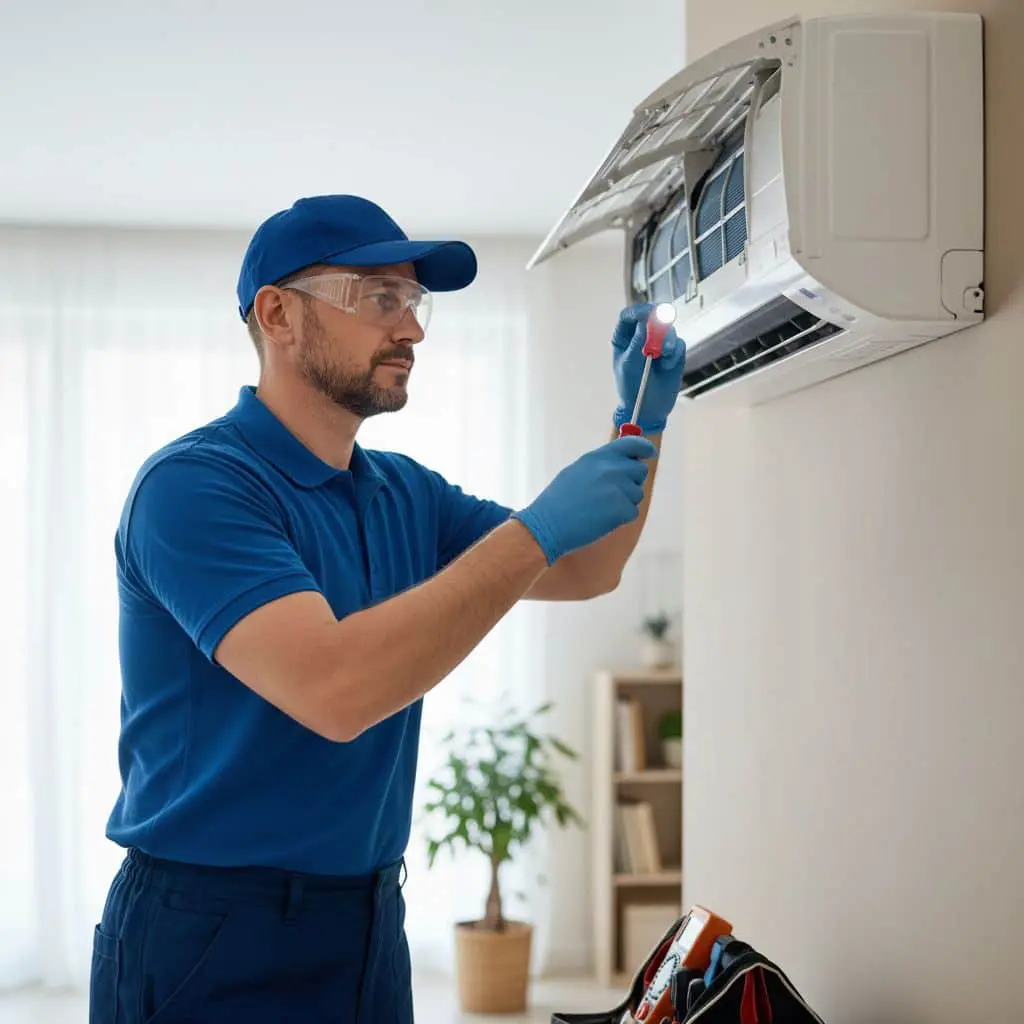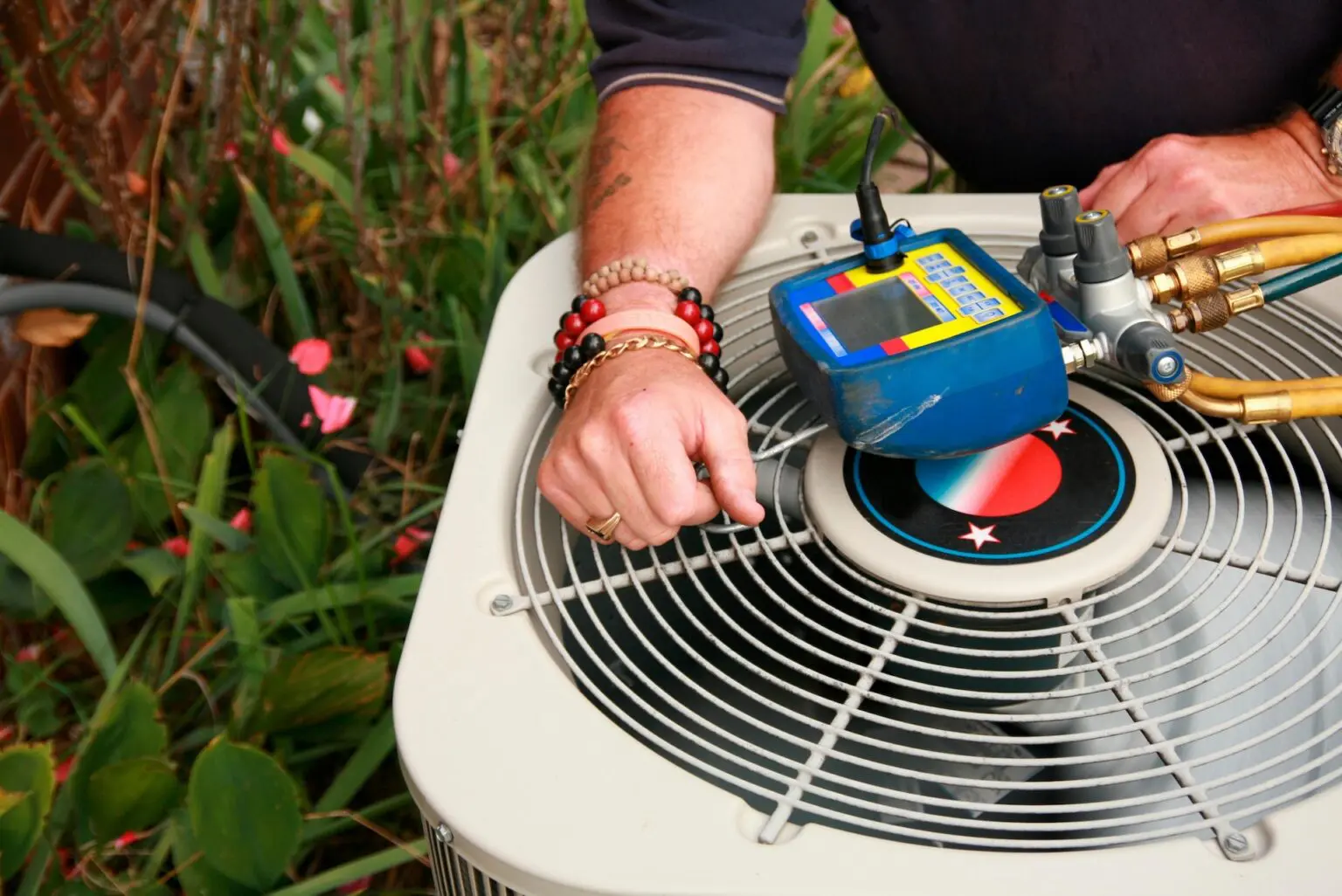
- Keep Your Thermostat at 55°F or Higher: Even if you’re away, maintaining a consistent indoor temperature helps protect plumbing in walls and other vulnerable areas when temperatures drop.
- Insulate Exposed Pipes: Add foam insulation to pipes in crawl spaces, garages, attics, and other unheated areas to slow heat loss and reduce the risk of freezing.
- Let Cold Water Drip During Extreme Cold: On nights when temperatures are expected to fall below 20°F, a slow, steady drip can help keep water moving through vulnerable pipes.
- Disconnect Outdoor Hoses: Remove garden hoses and drain outdoor hose bibs before freezing weather arrives to help prevent cracked fittings and frozen pipes.
Winter weather can quickly put your plumbing at risk, making now the perfect time to learn how to prevent frozen pipes before freezing temperatures settle in. A little prep time can help you avoid costly water damage and the frustration of turning on the faucet only to find nothing coming out.
At Just Right Plumbing, Heating, & Cooling, we’ve helped homeowners protect their plumbing through Utah’s coldest months and have seen firsthand how a little preparation can go a long way. In our years of helping folks with problems just like this, we’ve learned some tips to help reduce the risk of frozen pipes and costly repairs.
Why Utah Winters Put Your Pipes at Risk
Utah winters can bring extended stretches of freezing weather, creating conditions where household plumbing is more vulnerable to damage. Most homeowners don’t give their plumbing a second thought until a faucet stops running or a pipe bursts. Unfortunately, freezing temperatures can start causing problems long before either happens.
At What Temperature Do Pipes Freeze?
Although water freezes at 32°F, household pipes are generally at the greatest risk when the surrounding air temperature drops to 20°F or lower, particularly in unheated areas, such as crawl spaces.
Which Pipes Are Most Vulnerable in Utah Homes
The pipes most likely to freeze are those located in exterior walls, crawl spaces, garages, attics, and outdoor hose bibs. Older homes may also have plumbing near poorly insulated rim joists where cold air can reach the pipes more easily. These are the areas worth checking first as you prepare your home for colder weather.
How to Prevent Frozen Pipes — Room-by-Room Checklist
You don’t have to overhaul your plumbing to prepare for winter. If you’re asking yourself, “How do you prevent frozen pipes?”, the answer starts with a few simple precautions before freezing temperatures move in.
- Insulate Exposed Pipes: One of the best ways to prevent frozen water pipes is by adding foam pipe insulation to plumbing in crawl spaces, attics, garages, and other unheated areas. This helps slow heat loss and gives vulnerable pipes an extra layer of protection during freezing weather.
- Seal Air Leaks: Look for gaps where pipes pass through exterior walls, floors, or foundations, and seal them with caulk or expanding foam. Even a small gap can let enough cold air in to put nearby plumbing at risk during an extended cold snap.
- Keep Your Home Warm: Even if you’re leaving for the weekend, keep your thermostat set to at least 55°F. Maintaining indoor heat helps prevent frozen pipes hidden behind walls and in other unheated areas, as recommended by the American Red Cross.
- Disconnect Outdoor Hoses: Remove garden hoses before the first hard freeze and shut off exterior water supplies if your home has dedicated shutoff valves. Draining any remaining water helps reduce the chance of freezing.
- Let Faucets Drip During Extreme Cold: When temperatures are expected to stay well below freezing, let vulnerable faucets drip slowly. Keeping water moving can help reduce pressure inside the pipe if ice begins to form.
Before Utah’s First Freeze — Annual Prep Checklist
A little preparation each fall can go a long way toward preventing frozen pipes during winter. Before temperatures begin dropping, work through these seasonal checklists to help protect your home’s plumbing.
Fall Plumbing Inspection Checklist (Do This in October)
A seasonal plumbing inspection can help catch small issues before freezing temperatures turn them into costly repairs. As you prepare your home for winter, work through the checklist below.
- Insulate any exposed pipes in crawl spaces, garages, attics, or other unheated areas.
- Test your interior hose bib shutoff valves to make sure they close properly before freezing weather arrives.
- Locate your home’s main water shutoff valve so everyone knows how to turn it off in an emergency.
- Check attics, garages, and utility spaces for exposed plumbing that may need additional protection.
- Schedule annual furnace maintenance to help ensure your heating system is ready before the first cold snap.
What to Do When You Leave Town in Winter
Heading out for a winter getaway doesn’t mean your plumbing has to be left out in the cold. Keep your thermostat set to at least 55°F to help protect your pipes from freezing temperatures, and ask a trusted neighbor or friend to check on your home every couple of days to catch potential problems before they become costly repairs.
For trips lasting more than two weeks, consider shutting off the main water supply and draining your plumbing system to eliminate the risk of frozen pipes.
Mistakes That Cause Pipes to Burst (Even When You’re Trying to Prevent It)
Knowing how to prevent frozen pipes from bursting starts with avoiding a few common mistakes. These are some of the issues our team sees most often during a Utah cold snap:
- Leaving Garden Hoses Attached: A connected garden hose traps water inside the outdoor faucet, where it can freeze and expand. That pressure can crack the hose bib or the pipe behind the wall, even if the plumbing inside your home stays warm.
- Relying on Pipe Insulation Alone: Pipe insulation is helpful, but it isn’t a magic fix. It slows heat loss, but exposed pipes can still freeze during extended periods below 20°F unless insulation is paired with other preventive measures, such as maintaining indoor heat or letting a faucet drip.
- Turning the Heat Off When You Leave Town: Lowering your thermostat too much to save energy can put your plumbing at risk. Keeping your home at 55°F or above helps protect pipes in exterior walls and other colder areas while you’re away.
- Not Knowing Where the Main Water Shutoff Valve Is: If a pipe bursts, every minute counts. Knowing how to quickly shut off your home’s water supply can help limit water damage while you wait for repairs.
- Dripping the Hot Water Instead of the Cold Water: When temperatures drop below 20°F, the cold water line is usually the one most at risk because it’s often routed along exterior walls. Letting the cold side drip helps prevent the pipes from bursting as it gets colder outside.
When to Call a Plumber Instead of DIYing
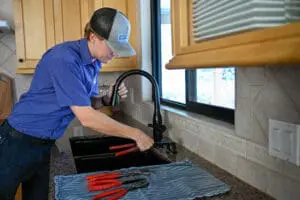
If you can safely reach the frozen section of pipe, gentle heat is usually the safest approach. A hair dryer set to low heat, some warm towels, or simply raising the temperature in the room can often do the trick. Never use an open flame, propane torch, or high-heat tool, as rapid heating can crack the pipe or create a fire hazard.
It’s time to call a plumber if multiple faucets have no water, the pipe is behind a wall, you hear cracking or unusual noises, or water doesn’t return after about 30 minutes of gentle warming. If a pipe has already cracked or burst, our water leak repair services can identify the damage and restore your plumbing as quickly as possible.
FAQs
How much should I let my water drip to prevent frozen pipes?
You don’t need much. A slow, steady drip from the cold water faucet is enough to keep water moving through the pipe. You should only have to do this when temperatures are expected to fall below 20°F or during extended cold snaps.
At what temperature do pipes freeze in a house?
There’s no single magic number because insulation, indoor heat, and pipe location all play a role. As a general rule, pipes in unheated areas become much more vulnerable once temperatures drop to around 20°F or below.
Should I drip both the hot and cold faucets?
Usually, no. Letting the cold water drip is enough in most homes because those pipes are typically the first to freeze. Unless you’ve been told otherwise, there’s no need to run both.
Can I leave my heat at 55°F to save money in the winter?
Yes. 55°F is widely recommended as a safe minimum for homes that will be vacant during the winter. It helps protect your plumbing while using less energy than keeping your home at your usual comfort setting.
What pipes are most likely to freeze in a Utah home?
Pipes in crawl spaces, garages, attics, exterior walls, and outdoor hose bibs should be at the top of your watch list. Older Utah homes may also have plumbing near poorly insulated rim joists, making those areas especially vulnerable during prolonged cold weather.
Choose Just Right for Your Winter Plumbing Services
Winter weather has a way of exposing small plumbing issues before you know they’re there. Whether you’re looking for help preventing frozen pipes before the next cold snap or need repairs after a frozen or burst pipe, Just Right Plumbing, Heating, & Cooling is ready to help you protect your home and restore your peace of mind.
Contact our team today and get your plumbing back to feeling just right.