With sweltering summer days and cold nights, Utah experiences wide temperature ranges even within 24 hours, according to the Western Regional Climate Center. That’s one reason many homeowners start asking: What is a mini-split, and can it handle Utah’s changing temperatures better than traditional systems?
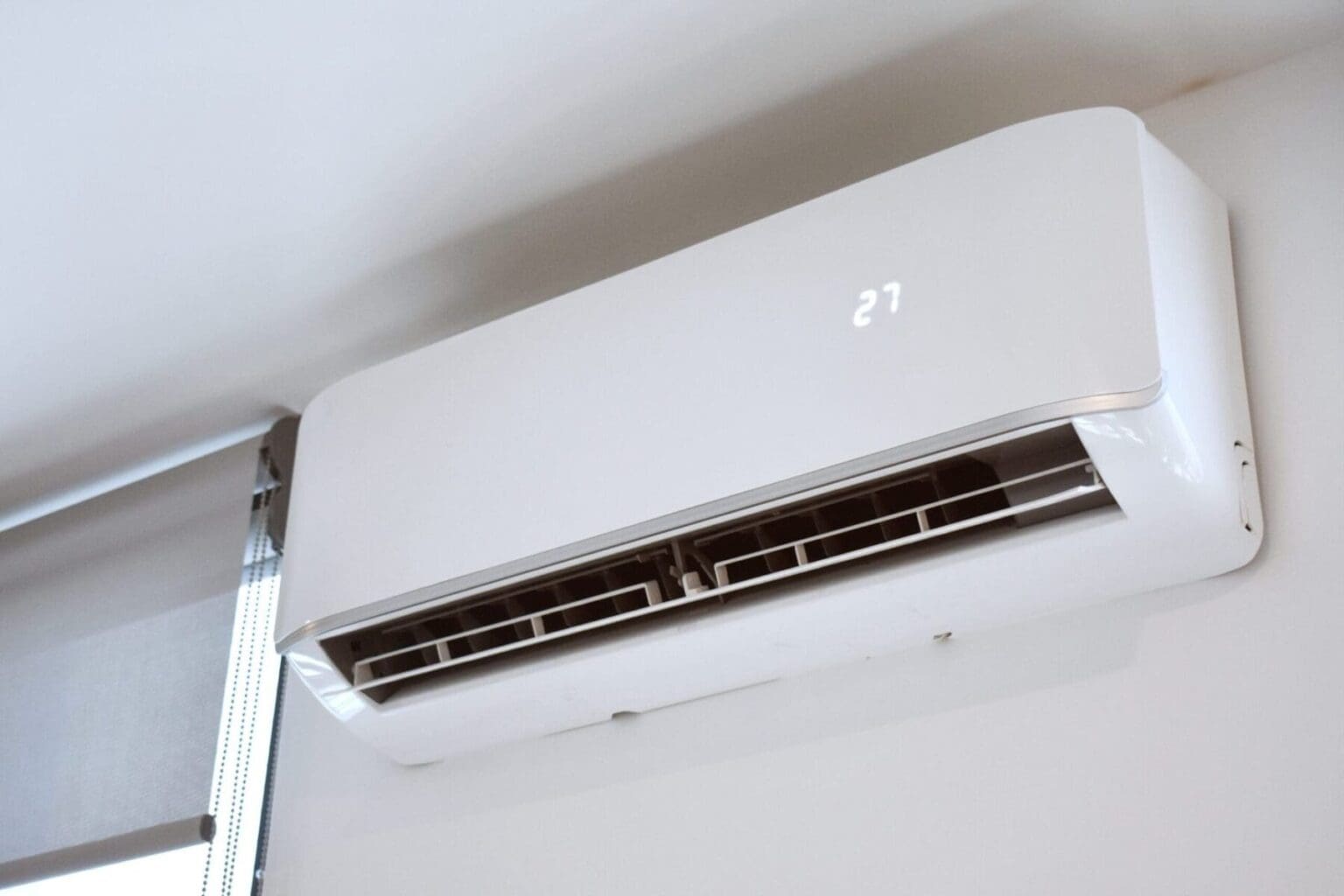
A mini-split is a ductless heating and cooling system that delivers targeted comfort to specific rooms or areas of your home. Many mini-splits achieve SEER ratings of 16-30+, compared to roughly 14–16 for traditional systems, making them an energy-efficient option for year-round comfort.
At Just Right Plumbing, Heating, & Cooling, we’ve helped countless homeowners choose the right HVAC system for their home. Here’s everything you need to know about mini-split components, benefits, installation, costs, and considerations for Utah’s climate.
Key Components of a Mini-Split System
What is a mini-split heating system? They are a type of heat pump that transfers heat between outdoor and indoor units to heat or cool specific areas of the home.
A mini-split system is made up of three main components:
- Outdoor condensing unit: Located outside the home, this unit contains the compressor and condenser that move heat in and out of your house depending on the season.
- Indoor air-handling unit: Installed in the area being heated or cooled, these units deliver conditioned air directly into the space. Options include wall-mounted, ceiling-mounted, and floor-mounted styles.
- Refrigerant lines: Small lines connect the indoor and outdoor units, allowing refrigerant, power, and drainage to move between the two parts of the system without traditional ductwork.
Single-Zone vs Multi-Zone Mini-Split Systems
Mini-split systems are available in either single-zone or multi-zone setups. What’s right for you depends on how many areas of your home you want to heat and cool independently.
| System Type | Best For | How It Works | Common Utah Applications |
|---|---|---|---|
| Single-Zone Mini-Split | Heating or cooling one specific area | One indoor air handler connects to one outdoor unit | Finished basements, garages, home offices, additions, and upstairs bedrooms |
| Multi-Zone Mini-Split | Controlling temperatures in multiple areas independently | Multiple indoor air handlers connect to one outdoor unit | Split-level homes, larger homes, multi-story layouts, and homes with uneven temperatures |
Why Mini-Split Systems Excel in Utah’s Climate
Utah’s temperature swings, dry air, and elevation changes can make consistent indoor comfort difficult. A mini-split system provides homeowners with targeted heating and cooling, improved energy efficiency, and zoned control. These systems are especially useful for multi-level homes and rooms that struggle to stay comfortable year-round.
Energy Savings for Utah Utility Bills
Because mini-splits heat and cool specific areas rather than the entire home, they often use less energy than traditional HVAC systems. Many high-efficiency systems may also qualify for rebates through Rocky Mountain Power and other local programs.
Perfect for Utah Home Additions and Remodels
Mini-splits work well in finished basements, additions, garages, and older homes without existing ductwork. Installation is typically faster and less disruptive than extending traditional ducts into new spaces.
How Mini-Split Heat Pumps Work
What is a ductless mini-split heat pump? It’s a system that moves heat instead of generating it, allowing the unit to cool your home in summer and heat it in winter.
Most mini-split systems are ductless. This means they don’t rely on traditional ductwork, where heated or cooled air can lose energy as it travels through the home.
Many systems also use inverter technology to adjust output automatically for better efficiency and more consistent temperatures.
Cooling Mode Operation
In cooling mode, the system pulls heat from inside your home and transfers it outdoors. Mini-splits can also help reduce indoor humidity during Utah’s monsoon season.
Heating Mode Operation
In heating mode, the system reverses the process, pulling heat from the outdoor air to warm your home. Modern cold-climate systems can continue operating efficiently even at freezing temperatures in Utah.
Advanced Features and Controls
Many mini-split systems come with advanced technology to improve efficiency, including:
- Wi-Fi and smart home controls
- Programmable temperature schedules
- Zoned room-by-room comfort
- Built-in air filtration options
Mini-Split Installation Process and Costs in Utah
What is the cost of a mini-split system? Most Utah homeowners can expect pricing to vary based on the number of zones, their home’s layout, and the complexity of installation.
Professional mini-split installations include system sizing, electrical work, refrigerant connections, and permit requirements.
Installation Steps and Timeline
Most installations include:
- Home assessment and system sizing
- Mounting indoor and outdoor units
- Installing refrigerant and electrical lines
- Testing and system startup
Single-zone systems can often be installed in about one day.
Utah Installation Costs and Factors
What is the cost to install a mini-split? Typical Utah installation costs include:
- Single-zone systems: $3,000–$6,000 installed
- Multi-zone systems: $6,000–$15,000+ installed
Costs depend on:
- Home size
- Number of indoor units
- Equipment brand
- Electrical upgrades
- Installation difficulty
Traditional HVAC installation costs range from $7,500-$13,500 for an air conditioner and sometimes $1,000+ more for ductwork.
Common Mini-Split Myths and Misconceptions
There are many misconceptions about mini-split systems, especially among homeowners more familiar with traditional HVAC setups.
Myth: Mini-splits do not work in cold weather.
Modern cold-climate systems can continue to heat efficiently even during freezing temperatures in Utah.
Myth: Mini-splits are only for cooling.
Most mini-splits are heat pumps that provide both heating and cooling from one system.
Myth: Wall-mounted units are the only option.
Mini-splits are also available in ceiling-mounted, floor-mounted, and concealed designs.
Myth: Mini-splits are too expensive.
While upfront costs can vary, many homeowners save money in the long term through lower energy use and zoned temperature control.
Myth: Installation is highly disruptive.
Mini-splits require far less construction than installing or extending traditional ductwork.
Addressing Utah-Specific Concerns
Mini splits are designed to handle Utah’s dry climate, elevation changes, and seasonal temperature swings. Regular filter cleaning and maintenance also help protect performance in dusty conditions common throughout the state.

Choosing the Right Mini-Split for Your Utah Home
Choosing the right mini-split system depends on your home’s size, insulation, layout, and Utah’s climate. Energy efficiency ratings, rebate eligibility, and proper sizing also play a major role in long-term performance and comfort. That’s why a professional assessment is important before installation.
Popular Mini-Split Brands in Utah
Popular mini split brands in Utah include Mitsubishi, Daikin, and LG, which are designed for year-round performance. Warranty coverage, local service availability, and long-term reliability are all important factors when comparing brands.
When to Choose Mini-Splits vs Traditional HVAC
Mini-splits work especially well for:
- Finished basements
- Additions and garages
- Older homes without ductwork
- Rooms with uneven temperatures
In certain situations, homeowners also combine mini-splits with existing HVAC systems for more flexible comfort control. According to the U.S. Department of Energy, researchers are developing new approaches to joint HVAC and mini-split systems.
Frequently Asked Questions About Mini-Split Systems
What is a mini-split and how does it work?
A mini-split is a ductless heating and cooling system that controls the temperature in specific rooms or areas of your home. It works by transferring heat between an outdoor unit and one or more indoor air handlers.
How long do mini-split systems last in Utah’s climate?
Most mini-split systems last 15–20 years with proper maintenance.
Can mini-splits heat my home when it’s below freezing in Utah?
Yes. Modern cold-climate systems can heat efficiently even during freezing Utah temperatures.
Do I need permits to install a mini-split system in Utah?
Usually, yes. Most installations require electrical permits and code compliance.
How much electricity do mini-splits use compared to traditional systems?
Mini-splits are often more energy-efficient because they avoid duct losses and use zoned temperature control.
Can I install a mini-split system myself to save money?
We recommend working with a professional HVAC company to protect warranties, safety, and system performance.
Choose Just Right Plumbing, Heating, & Cooling for Your Next Mini Split System
At Just Right Plumbing, Heating, & Cooling, we help Utah homeowners find mini split systems built for year-round comfort and Utah’s changing temperatures. Along with heating and cooling solutions, our team also provides residential plumbing services to help keep your home running efficiently year-round.
Schedule a consultation with our team today and keep your home comfortable year-round with dependable heating and cooling.